
The local scene for chance-based entertainment has shifted hard in the past decade, with punters chasing life-changing payouts from the comfort of their loungeroom. Jackpot-linked terminals still pull crowds, but the mechanics behind the screens matter more than the glitter on the cabinet. Anyone looking to bet gaming machines with jackpot potential needs to understand how the maths, the promotions and the local rules actually line up.
Australians have always had a soft spot for a spin, whether it’s a Friday night session at the local club or a late-session run on a mobile app. The appetite for big-prize action hasn’t faded, though the way operators package it has changed. Below is a clear-eyed look at how jackpot-linked play works down under, what the industry claims, and where the real value sits for the average player.
How Jackpot-Linked Machines Fit the Local Scene
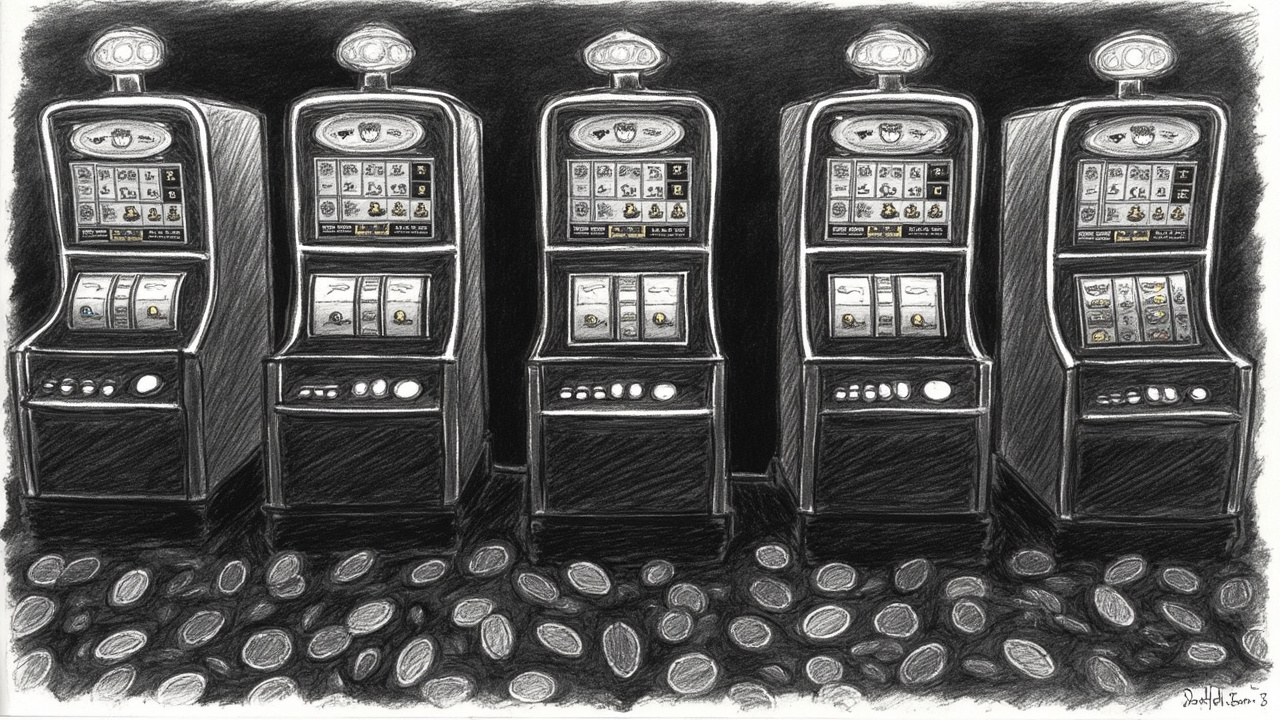
The Australian market has long been shaped by a mix of state-based legislation and a strong pub-and-club culture that migrated online as broadband spread. Jurisdictions from New South Wales to South Australia have tightened oversight of remote gambling, pushing operators to separate promotional language from the actual product. That matters for anyone eyeing a jackpot run, because the same cabinet logic that runs in a regional hotel now sits behind regulated apps and browser-based lobbies.
The visual appeal of a progressive or pooled prize still drives engagement, but the underlying architecture is what decides whether a session is entertainment or a slow bleed. Operators now lean on tiered prize structures and network-linked pools to keep attention high without promising outcomes they can’t deliver. For punters, the trick is separating the marketing gloss from the paytable and the volatility profile before pressing start.
Reading the Screen Before You Press Spin
A jackpot display is designed to catch the eye, yet the numbers on the screen rarely tell the whole story. Some terminals show a pooled total that grows with every wager across a network, while others feature a fixed top prize that resets after a hit. Understanding which setup you’re looking at changes how you think about session length and bankroll sizing.
Volatility is the quiet variable that most promotional copy skips past. A machine with a large headline prize can still pay out in thin, irregular bursts, which means a flat staking plan can run dry long before the top screen lights up. Reading the game info sheet, checking the return-to-player range where it’s published, and treating the jackpot as a rare event rather than a schedule are the basics that separate disciplined play from wishful thinking.
For players who want a themed spin with a top-prize angle, titles like starlight princess in anime style show how visual branding and jackpot framing get packaged together. The artwork pulls attention, but the game rules and the prize structure are what actually govern the session.
The Comps Model and What It Means for Players
Casino compensation is built on a simple but often misunderstood premise: perks are budgeted as a percentage of theoretical, not actual, loss. That means the system is pricing expected hold over time, not rewarding every session win or loss as it happens. For jackpot-focused play, this is a useful reality check, because a big visible prize doesn’t automatically translate into better treatment on the floor or in the app.
Theoretical loss is a function of stake, duration and the game’s built-in edge, which is why venue and operator rewards tend to track play volume more closely than outcome. A punter who chases a progressive prize with steady, high-frequency spins may generate more theoretical action than someone who bets bigger but plays shorter sessions. The comp structure follows the maths, not the mood.
That doesn’t make loyalty programs worthless, but it does mean players should read them as a by-product of volume rather than a guaranteed offset to risk. If a promotion hints that chasing the top prize will unlock extra value, it’s worth checking whether the qualifying metrics are based on time, wagering volume or actual results. The difference matters when the session goes quiet.
Payment Paths and Local Payout Realities
Getting money in and out smoothly is a bigger deal in Australia than the marketing often suggests, especially when jackpot-sized wins enter the picture. Local payment habits lean on a mix of card rails, digital wallets and direct transfers, and each path carries its own timing and verification quirks. A big win that looks instant on screen can still take its time clearing through the backend.
Jack Henderson, Payments Strategy Director, Great Southern Betting Review, puts it plainly: “Payout friction usually shows up at the verification stage, not the funding stage, so players chasing larger prizes should expect identity and source-of-funds checks before the money moves.” That’s a practical reminder that a smooth deposit doesn’t guarantee a same-day withdrawal, particularly when the amount climbs into a tier that triggers extra compliance.
For anyone comparing operators, it’s worth checking how withdrawal requests are sequenced and whether jackpot wins follow the same path as standard payouts. Some platforms batch processing, others prioritise verified accounts, and the difference can turn a promised quick payout into a few extra business days. The fine print on timing is where the real story sits.
How Operators Compare on Jackpot Offerings
The competitive landscape is crowded, and the operators that hold attention tend to do it through a mix of game узнайте в видео breadth, transparent terms and payment reliability rather than hype alone. Joe Fortune sits among the leaders of the Australian market in the comparison table, a position built on a broad lobby, regular promotional cycles and a brand presence that has lasted through several waves of regulatory tightening.
That leadership claim is about market footprint and product range more than any promise of frequent top prizes. A strong lobby can still include games with very different volatility profiles, so the comparison is best read as a starting point for narrowing down where jackpot-linked play actually fits your style. Brand recognition and game count are useful, but they don’t replace a close look at the terms attached to each title.
The smarter read is to treat operator comparisons as a way to shortlist where the mechanics, payment paths and licensing posture line up with what you want from a session. A well-known name can be a reasonable place to start, but the details under the hood are what determine whether a jackpot chase feels like entertainment or a grind.
Regulatory Guardrails Shaping the Offer
Australia’s remote gambling rules have pushed operators toward clearer disclosures and tighter separation between advertising and product reality. State and territory oversight, alongside federal-level scrutiny of advertising practices, has made it harder to sell jackpot play as a reliable income stream. The practical effect is that responsible messaging and game information have become more visible, even when the promotional creative stays loud.
Adam Nelson, iGaming Regulatory Consultant, Southern Cross Gaming Advisory, notes: “The regulatory direction is toward making the prize mechanics and the odds context easier to find, not toward removing jackpot products altogether.” That distinction matters, because it means players are expected to navigate the offer with more information in front of them rather than relying on implied guarantees.
For punters, the upshot is that a well-lit product page, a clear help section and accessible terms are now part of the baseline for a credible operator. If the jackpot story feels vague or the game info is hard to locate, that’s a signal to slow down and read the structure before committing stake. The rules haven’t removed the fun, but they have raised the bar for transparency.
Picking a Session That Fits the Prize
A jackpot run works best when it’s planned around the prize type and the game’s behaviour, not around the hope of a quick hit. Pooled progressives and fixed top prizes ask for different approaches, and the staking plan should match the volatility rather than the headline number. A measured session with a defined exit point usually beats a loose chase that keeps feeding the theoretical loss column.
The practical move is to decide in advance what a reasonable session looks like: a time limit, a bankroll ceiling and a clear rule for walking away if the top screen stays dark. That framework doesn’t improve the odds, but it does keep the session inside the entertainment budget instead of drifting into a longer grind than intended. The prize is the draw, but discipline is what keeps the draw affordable.
Players who want to track how the wider industry talks about these products can browse coverage on industry trade coverage to see how operators and analysts frame jackpot-linked play across markets. Reading that broader commentary helps separate a single lobby’s pitch from the wider market conversation.
Practical Moves Before You Play
- Check whether the top prize is pooled, progressive or fixed before you commit stake, because each structure behaves differently over time.
- Read the game information screen for volatility and return context where available, and treat the jackpot as a rare event rather than a timetable.
- Confirm the withdrawal path and timing rules in advance, especially if a larger win would trigger extra verification steps.
- Treat loyalty perks as a by-product of play volume, since comps are budgeted as a percentage of theoretical, not actual, loss.
- Set a session limit for time and bankroll before pressing start, and stick to the exit rule if the top prize stays out of reach.
What the Numbers Don’t Say Aloud
The biggest misunderstanding around jackpot-linked play is the assumption that a large displayed prize implies a near-term hit. The display is a marketing hook and a mathematical feature, but it doesn’t convert into a schedule of payouts that a player can plan around. That gap between what looks promising and what the maths supports is where most disappointment comes from.
Adam Murphy, Senior Market Analyst, Daintree Digital Ventures, frames it this way: “Players respond to the size of the top prize, but the session outcome is usually driven by stake density and volatility, not by how bright the jackpot counter looks.” That’s a useful reminder that the visual pull and the actual session dynamics are related, but not the same thing.
The credible read is to enjoy the chase for what it is: a high-variance feature inside a broader entertainment product. If the prize is the appeal, the rest of the session should be sized to match that expectation, with enough room left in the budget for the ordinary ebb and flow that comes with any spin-based game.